Exploring the psychology of risk-taking in casino games
The allure of gambling: Understanding risk-taking behavior
The psychology behind risk-taking in casino games is a fascinating subject that intertwines with human behavior and decision-making processes. For many, the thrill of gambling stems from the excitement of potentially winning large sums of money, which often overshadows the associated risks. This attraction is not merely about monetary gain; it encompasses the emotional highs and lows that come with each bet placed. Interestingly, in the realm of such thrilling experiences, many players explore various avenues, including crypto casinos uk, which have become popular for their unique offerings. The desire for adrenaline can lead individuals to engage in risky behaviors that they might otherwise avoid in everyday life.
Moreover, the setting of a casino plays a significant role in influencing gamblers’ emotions and behaviors. The bright lights, sounds of spinning wheels, and the buzz of excitement create an environment that heightens the senses and encourages risk-taking. Individuals often find themselves caught in the moment, making impulsive decisions that may not align with their usual rational thinking, thus demonstrating how environmental factors can amplify the tendency to take risks.
The role of cognitive biases in gambling
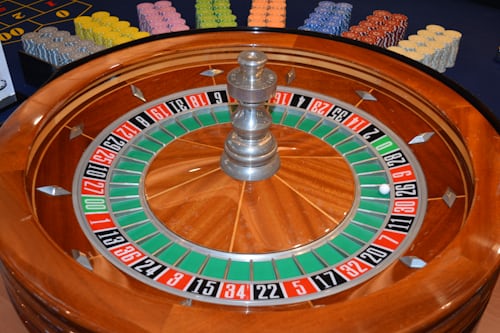
Cognitive biases heavily influence how gamblers perceive risk and reward in casino settings. One common bias is the illusion of control, where players believe they can influence the outcome of games that are primarily based on chance, such as slot machines or roulette. This belief can lead to increased participation in these games, as players feel a sense of agency over their fate, despite the randomness of the results.
Another significant factor is the gambler’s fallacy, which causes individuals to believe that past outcomes affect future chances in independent events. For instance, a player might think that a particular slot machine is «due» for a payout after a series of losses. This misjudgment can lead to increased betting and a greater willingness to take risks, as gamblers chase after perceived trends or patterns that do not exist.
Emotional vs. rational decision-making
Risk-taking in gambling often highlights the struggle between emotional and rational decision-making. Emotions such as excitement, hope, and fear can overshadow logical reasoning. Gamblers may find themselves making choices driven by the thrill of possible rewards rather than through careful consideration of the risks involved. This emotional rollercoaster can create a powerful feedback loop where a win reinforces the behavior, further entrenching the gambler in a cycle of risk-taking.
Rational decision-making, on the other hand, involves weighing the odds and potential outcomes against personal limits and financial constraints. However, when faced with the allure of a casino, many individuals are more likely to succumb to their emotions, leading to potentially reckless choices that can have significant financial repercussions. Understanding this duality is essential in recognizing the factors that contribute to risk-taking behavior in gambling.
The impact of social influences on gambling behavior
Social influences play a crucial role in shaping gambling behavior and risk-taking tendencies. Peer pressure, social norms, and the desire for acceptance can drive individuals to partake in gambling activities, even if they may not initially have an interest in them. This social context can amplify feelings of excitement and the appeal of risk-taking as individuals seek validation from their peers.
Moreover, the community aspect of gambling, such as group outings to casinos or events centered around poker nights, reinforces the idea that taking risks is a socially accepted behavior. The need for belonging can lead to increased participation in gambling activities, as individuals may prioritize social engagement over personal reservations regarding the associated risks.
About the website
This website serves as a resource for exploring various aspects of gambling, including psychological factors that drive risk-taking behavior in casino games. It aims to provide insightful content for readers interested in understanding the complexities of gambling, the emotional dynamics involved, and the societal influences that contribute to this multifaceted activity.
By delving into the psychology of risk-taking, the website strives to foster a greater awareness of gambling behaviors and the importance of making informed decisions in these high-stakes environments. Whether for educational purposes or personal reflection, the content encourages readers to consider both the exhilarating and cautionary aspects of casino gaming.
